Foot pain rarely stays in one place. It changes how you walk, shifts where you put pressure, and often creeps into the knees, hips, or back. The best results usually happen when a foot care provider and a physical therapist coordinate from the start, not after months of trial and error. As a clinical podiatrist who has partnered with many experienced PTs, I have seen how a simple shared plan can halve recovery time, reduce flare ups, and, just as important, give patients clarity about what to do day to day.
What each clinician brings to the table
A foot and ankle care doctor or medical foot specialist focuses on diagnosis, medical management, and procedures. That may include imaging, injections, orthoses, wound care, or surgery. In clinic, a foot health specialist doctor will parse whether your heel pain is a classic plantar fasciitis, a fat pad issue, a calcaneal stress injury, or a nerve entrapment. The foot diagnostic doctor role is to identify the true pain generator, rule out red flags, and set the guardrails for safe loading.
A physical therapist brings movement analysis, exercise progression, and the week to week coaching that transforms a diagnosis into a resilient, capable foot. Your PT is your foot movement doctor in practice, watching stride mechanics, testing foot mobility and hip control, and choosing the right exercises at the right dose. When both sides communicate, the result is a plan that respects tissue healing thresholds while tackling the reasons the problem started.
If you have not worked with a coordinated team before, expect overlap. A lower limb podiatrist may perform gait analysis, and a PT may spot a bunion-related stability issue. That overlap is not redundancy, it is redundancy that catches misses and smooths care. I welcome it.
Why coordination changes outcomes
Is your pain from overload or from poor load distribution, or both? The foot is a sophisticated set of levers and pulleys. A biomechanical podiatrist or foot mechanics specialist understands how rearfoot eversion, forefoot varus, and hallux mobility interact. A PT sees how lack of hip extension forces early heel rise and pumps pressure into the forefoot. Put the two views together, and you get specific answers: where to offload, where to strengthen, what to stretch, and when to progress.
I once saw a marathoner who had been handed three different orthoses in a year. Each helped for a few weeks. Her PT sent a simple note: “Persistent medial tibial stress. Overstriding. Weak calf endurance.” We rechecked her foot pressure with a pressure mat, found a late stance spike under the second metatarsal, and added a very mild forefoot post to a flexible device. The PT timed her return to run intervals with a cadence bump and heavy calf raises three times a week. She raced eight weeks later with zero flare. The magic was not the insert or the exercise, it was timing, dosage, and a shared map.
Getting the diagnosis right, then getting the dosing right
Good foot care starts with precise diagnosis. A foot pain diagnosis doctor uses history, palpation, and, when necessary, imaging. Ultrasound is helpful for plantar fasciitis, peroneal tendinopathy, and neuromas. X‑ray can clarify bony alignment, stress reactions, or arthritic change. MRI has its place for complex soft tissue or suspected bone edema when symptoms do not line up with simple conditions. A foot imaging specialist or foot scan specialist should not overuse tests, but should not hesitate when red flags appear.
Once the diagnosis is sound, the foot treatment planning doctor and PT decide the loading path. Tissues need stress to recover, just not any stress. A foot load distribution doctor thinks about where pressure lands under the foot. The PT thinks about when pressure lands in the gait cycle. Those two views produce safe progressions.
The shared language that speeds care
Details matter. A foot function specialist tests first ray mobility, hallux dorsiflexion, and subtalar range. Your PT times mid‑stance, watches tibial progression, and checks for pelvic drop. We both should write notes with numbers, not just adjectives. Dorsiflexion at the ankle measured with the knee bent tells you how much soleus length you have, which drives push off. Hallux dorsiflexion tells you whether the windlass engages. Single leg calf raises tell you if you can support your body weight repetitively. These are not trivia, they are the steering wheel of your plan.
How we divide tasks without dropping the ball
An advanced podiatry specialist can offload acutely irritated tissue with taping, a temporary insole, or targeted padding. A foot support doctor can fit a device that shifts a few Newtons of force off a painful hotspot. Meanwhile, a PT, acting as a foot strengthening specialist and foot conditioning doctor, reloads the system with progressive exercises. Mobility first if you are stiff, stability first if you are sloppy, power when symptoms settle.
We also share patient education. A foot care consultant or foot health consultant explains how pain ebbs and flows, and why the first steps in the morning hurt for plantar fasciitis. Your therapist, the foot mobility doctor and foot stability specialist in the room, teaches you how to warm up for early shifts or long walks so the first thousand steps do not spike symptoms.
A practical coordination checklist
- Agree on the working diagnosis and the top two differential diagnoses. Define weight‑bearing status, activity limits, and red flags for immediate recheck. Assign who manages offloading, who sets exercise dosing, and how to progress. Decide the footwear and orthoses plan, including wear time and break‑in. Set two to three measurable milestones with dates, not vague goals.
A short list like this, shared across both notes, prevents the most common stalls. Everyone knows the plan and the metrics.
Case snapshots that illustrate the dynamics
The worker who stands 10 hours. A warehouse lead with forefoot ache under the second and third metatarsals will often have limited ankle dorsiflexion, a short stride, and a hard forefoot rocker due to worn‑out boots. As a foot pressure specialist, I add a felt met pad podiatrist NJ and a rocker sole recommendation, sometimes a temporary forefoot post to change timing. The PT improves gastrocnemius and soleus length, restores first ray plantarflexion strength, and teaches microbreaks. We set a realistic target: pain under 3 out of 10 by week three, fully tolerable shifts by week six. The trade off is speed. Pads help now, but tissue capacity still needs weeks of work. Without the exercises, the pad becomes a crutch.
The runner with Achilles pain. An experienced foot overuse injury specialist knows insertional Achilles pain behaves differently than midportion pain. For insertional pain, deep dorsiflexion in eccentric heel drops often backfires early. I set a heel lift temporarily and restrict uphill running. The PT, as foot performance doctor and foot optimization specialist, builds heavy slow heel raises on a flat surface, starts with isometrics for pain relief, then adds tempo and plyometrics when the pain with single leg calf raises drops below 3 out of 10. We both watch morning stiffness duration as a marker of overload. Too fast, and you wake up hobbled; too slow, and you never regain spring.
The post‑bunion surgery patient. A foot repair doctor or foot restoration specialist manages wounds, swelling, and imaging. At two weeks, we are thinking edema control, toe alignment, and scar mobility. At six weeks, the PT, as foot flexibility specialist, introduces gentle toe flexion and extension, then midfoot mobility if the first ray is guarded. We agree on a clear shoe progression and set criteria before running or court sports. The goal is not just a straight toe, but a push off that feels natural.
The person with diabetes and numb feet. A foot nerve specialist and foot vascular specialist should lead. Before any strengthening takes center stage, we confirm blood flow and check for wounds. A PT can still help with balance, strength, and safe conditioning, but the foot care provider must handle callus debridement, footwear protection, and risk screening. This is not the case to chase aggressive mobility or minimalist shoes. Prevention beats performance here.
Assessment tools that inform better plans
Pressure maps and force plates help a foot stress injury specialist see where load peaks during stance. They identify a second metatarsal hotspot, a late stance shift, or a heel that never fully loads. Video gait analysis reveals stride length, cadence, and foot strike pattern in a way that verbal cues cannot. A foot scan specialist may capture arch height and forefoot width to guide shoe selection accurately, not by brand but by last and volume. PTs add single leg hop tests, heel raise endurance counts, and balance metrics. Blend these, and you have a baseline and a scoreboard.
Imaging is not always needed, but when a foot impact injury doctor suspects a stress reaction or a Lisfranc injury, timely imaging prevents months of wrong turns. The art lies in using tests when they change management, not as a reflex.
Building the treatment, from offload to reload
Early care often blends offloading and symptom control with gentle activity. A foot discomfort specialist may tape a plantar fascia or pad a sesamoid. We choose footwear that supports the plan. For an irritated midfoot, a stiffer shoe with a mild rocker may be wise. For a peroneal tendon issue, a lateral post or higher sidewall can calm strain. Your PT, acting as foot conditioning doctor, selects the entry movements. Tendons prefer load, even in pain, just not chaotic load.
Once pain starts to ease, progress is patient specific. A foot alignment correction doctor may adjust the orthoses if a new hotspot appears. The foot posture correction specialist focuses on how your arch and heel sit through stance. Meanwhile, your therapist layers power and plyometrics when you can do at least 20 single leg calf raises with symmetrical height and less than 3 out of 10 pain. Precision keeps you moving forward. Guessing leads to stalls.
A six‑week example for heel pain
- Week 1: Confirm diagnosis, rule out stress fracture or nerve entrapment. Taping or a temporary heel cup for relief. Isometric calf holds for pain control. Limit barefoot time. Week 2: Gentle calf raises, short foot drills if tolerable, and controlled walking volume. Shoe check or a trial insole. Morning mobility routine added. Week 3: Increase calf raise load, introduce step downs, and start cadence work if running is on the horizon. Reduce taping reliance. Week 4: Add incline treadmill walking or light jog intervals if pain with daily steps is low. Monitor morning stiffness minutes. Week 5: Plyometric prep - pogo hops, skipping. If symptoms permit, remove heel lift. Orthoses refined if hotspots develop. Week 6: Return to steady state runs or longer walks with one rest day between. Reassess strength and pressure distribution, then update the plan.
This is an example, not a template. A foot recovery specialist adapts to your response. A PT reads your pain and fatigue to decide whether to hold, progress, or unload for a few days.
Performance and prevention for different lives
Runners. A foot care for runners doctor will look at cadence, long run spacing, and shoe rotation. Two models that differ in geometry help spread load. Your PT ensures your calf‑soleus complex can absorb and return force. Expect heavy calf work, foot intrinsics, hip extension drills, and plyometrics when symptoms allow. The foot performance doctor lens is about economy as much as pain.
Standing jobs. A foot care for standing jobs doctor helps you choose an insole that supports without numbing your feet. The foot clinic specialist adjusts met pads and heel cups until pressure spreads evenly. The PT reinforces endurance with isometric holds, midfoot mobility in breaks, and glute strength to keep posture from sagging late in shifts.
Gym users. A foot care for gym users specialist respects the barbell. Deep dorsiflexion in squats and heavy hinges load the foot differently. We may adjust stance width or heel elevation early on, not forever. The PT keeps a close eye on ankle mobility and foot tripod control under load.
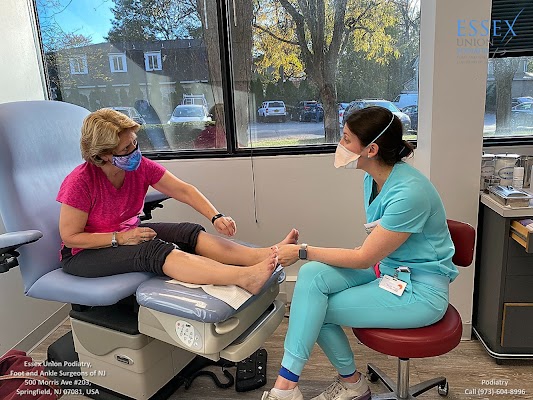
Everyday walkers. A foot care for everyday health specialist encourages consistent steps rather than weekend bursts. Your plan may be as simple as shoe changes, two strength sessions weekly, and a 10 percent bump in weekly walking minutes until you reach your target.
When a device helps, and when it hurts
Orthoses, heel lifts, met pads, and rocker soles are tools. A foot correction doctor uses them to shift load away from painful tissue, buy you time, and keep you moving. They are not always forever. A foot correction specialist or foot improvement doctor should set explicit wear time, break‑in, and weaning plans. If you feel stronger but cannot function without the device, something is off. Conversely, refusing support when a tissue is inflamed can drag out recovery. The balance depends on your diagnosis, your goals, and your timeline.
Footwear that matches your mechanics
A foot structure specialist looks at forefoot width, arch height, and toe mobility before recommending shoes. A foot walking specialist considers stride and terrain. For stiff big toes, a mild rocker can feel like a miracle. For a floppy arch with late pronation, a shoe with a stable platform and a firm heel counter can settle your foot without overcorrecting. Minimalist shoes can build strength, but they demand a slow ramp under watchful eyes. Maximalist shoes can cushion irritated tissue, but sometimes rob you of feedback and push off. There is no ideology, only fit, function, and response.
Metrics that matter
Track morning stiffness minutes, pain during and after activity, step count or minutes walked, and strength reps like single leg calf raises. A foot evaluation doctor and a foot assessment specialist should write these in the chart. Your PT will also note hop symmetry, balance time, and gait cadence. Improved numbers do not matter if your quality of movement is poor, and perfect movement does not matter if your tissue is still irritable. We use both.

Signals you should not ignore
Rapid swelling, color changes, or temperature differences require a foot circulation doctor or foot vascular specialist. Numbness, burning, or new shooting pains call for a foot nerve specialist. Fever with a wound means urgent medical review. If pain worsens steadily despite reduced activity, a foot stress injury specialist should reassess for a stress reaction. Coordination shines here: your PT flags the change, your foot care provider orders timely tests or adjusts protection.
Navigating trade offs and real life
People have jobs, families, and hard deadlines. A line cook who cannot sit out for six weeks needs a different plan than a retiree with time to spare. A foot care provider balances medical caution with practical tolerance. A PT chooses the highest return exercises you can do with the time and tools you have. Sometimes we accept short term supports to keep you working while we build capacity underneath. Sometimes we pull you out for a week to prevent three months of trouble. This is judgment, not a formula.
Keeping the team aligned
Communication fails when notes get vague. I have learned to write the plan in plain language so the PT and patient can act on it. “Limit standing to 20 minute bouts for the next 10 days. Use the felt met pad during all work shifts. Perform 3 sets of 10 calf raises every other day. If morning pain stays above 5 out of 10 by day 7, message the clinic.” The PT replies with load progression, form cues, and early warning signs. That is how care moves, even in busy clinics.
Preparing for your visits
Bring your three most worn pairs of shoes, not the box‑fresh ones. Worn soles tell the truth. If you run or walk a lot, bring a short phone video of your stride from the side and from behind. Jot down when pain appears, how long it lasts, and what makes it better or worse. A foot screening specialist will use this to focus the exam. The more precise your story, the faster we get to the right plan.
Prevention is a plan, not a wish
Once you are better, maintenance keeps you there. A foot maintenance specialist or foot wellness expert designs a simple routine you can stick with. That may be two strength sessions a week, a rolling check of shoe mileage, and a quarterly tune‑up to reassess pressure and mobility. For workers on hard floors, periodic insole refresh and microbreak routines matter more than fancy gear. For runners, smart training progression and seasonal strength blocks pay off. A foot injury prevention specialist and foot care prevention doctor think in months, not days.
When philosophies differ
Sometimes a foot care professional favors maximal support and a PT prefers minimalism to build strength. The right path is rarely at the extremes. For inflamed tissue, transient support usually helps. For long term resilience, capacity must rise. We often start with support and gradually taper while loading increases. If either end dominates too long, you stall. Honest discussion avoids that trap.
The payoff of a true team
A coordinated plan saves you sessions, not adds them. You spend less time repeating the same story, and more time doing targeted work. The foot care provider handles diagnosis, protection, and structural solutions. The PT drives movement quality, strength, and graded exposure. Together, they form one road from pain to performance, tailored to your life, your feet, and your goals.
If you are seeking care, ask whether your foot clinic specialist and PT have a clear handoff process. Ask for shared milestones. You deserve a plan that feels coherent. With a foot care provider and a physical therapist working as partners, the complex mechanics of the foot become manageable, and progress becomes measurable. That is how sore steps turn into strong strides.